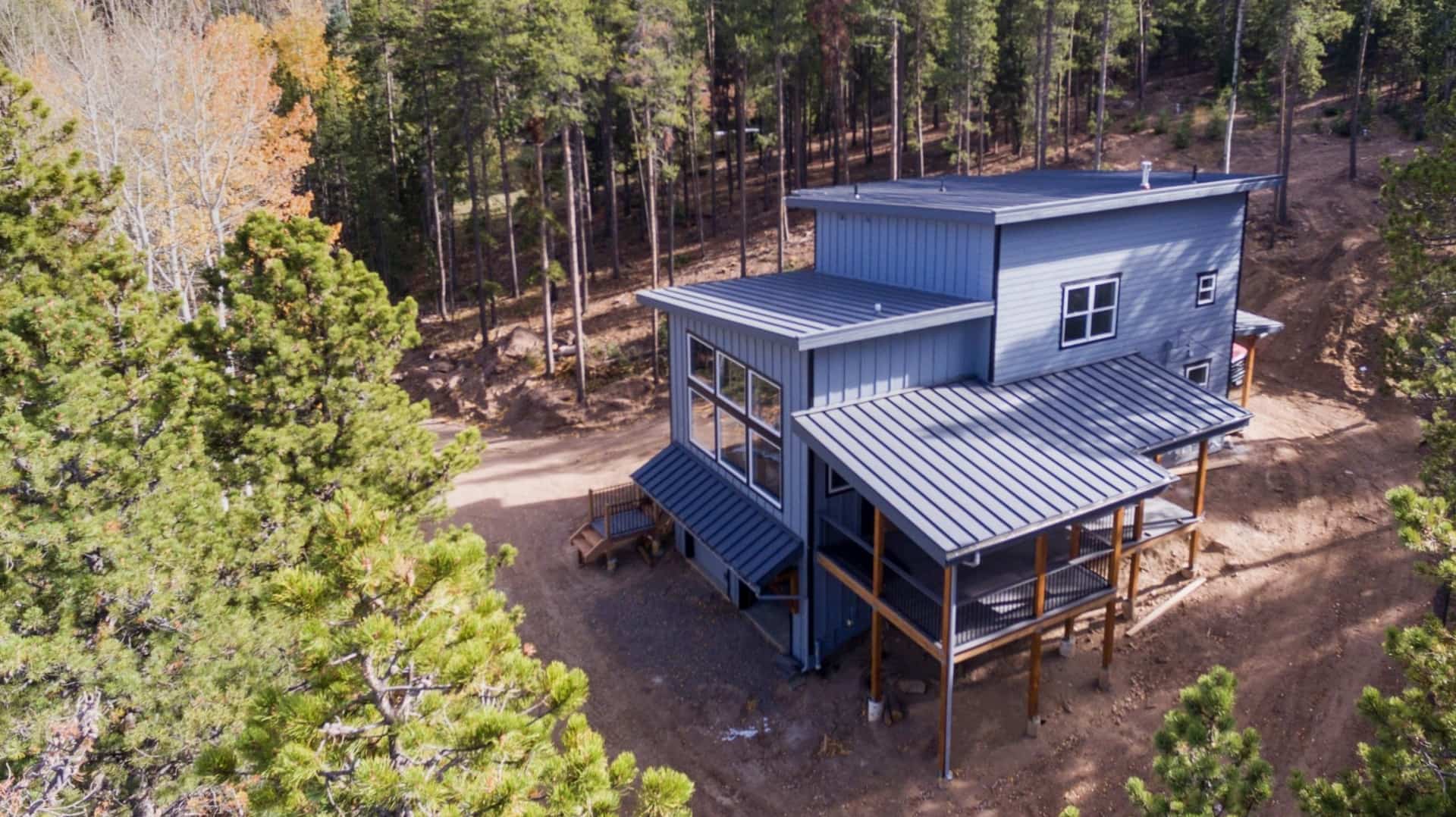
5 Signs Your Home Needs Professional Siding Repair
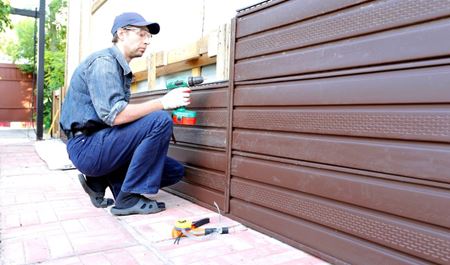
Your home's exterior works hard. High-altitude sun, spring hail, and dramatic temperature swings test every panel and seam. If you have even a small concern, getting timely siding repair can protect your home from moisture, pests, and energy loss. Below are five clear signs your siding needs attention from a trusted local team at HomeBuild.
1. Warping, Buckling, or Wavy Siding Lines
Stand back from your home and look along long runs of siding in the morning or late afternoon light. If boards look wavy, edges flare out, or panels appear sunken in spots, the siding may be warped or buckled. Heat, improper nailing, and years of intense UV at elevation can make panels expand and distort. In neighborhoods like Green Mountain and Applewood, we often see south and west elevations show these issues first due to heavier sun exposure.
Warped sections can open gaps where wind-driven rain enters. That moisture can travel behind the siding and into sheathing, where it quietly compromises the wall system. Do not ignore soft waves or bulges; they are early signals that water may be finding a path into your home.
2. Cracks, Holes, and Impact Marks From Hail
Lakewood's spring storms are tough on exteriors. Even moderate hail can bruise fiber cement, crack vinyl, or dent metal. Small openings might look harmless, but they allow water to reach the layers beneath. If you see spiderweb cracks near J-channels, small holes around window trim, or chips at panel corners, that is a strong indicator it is time for a pro assessment.
- Look for circular dents or pockmarks on wide, flat faces of panels.
- Check trim returns and the bottom edge of lap boards where hail hits upward from wind gusts.
- Scan the ground for siding fragments after storms in areas like Belmar or Morse Park.
Hail damage often blends into the texture and color of your siding, which is why a trained eye helps. Proper repair prevents moisture from wicking behind the surface and protects your insulation and framing.
3. Soft Spots, Rot, or Spongy Areas Around Openings
Windows, doors, and hose bibs are common leak points. Press gently on siding below window corners or under trim boards. If the area feels soft, spongy, or yields under pressure, the substrate may be compromised. Wood-based products can rot when repeated freeze-thaw cycles trap moisture. Fiber cement can also suffer when flashing or caulking fails, and water penetrates long enough.
Mildew streaks or darkened patches beneath joints are another warning. In older homes near Bear Creek or corners of Kendrick Lake, historic trim profiles sometimes hide failed sealant lines. Soft spots rarely fix themselves and often signal hidden moisture damage that should be evaluated by a professional.
4. Fading, Chalky Residue, and Paint That Will Not Last
At Lakewood's elevation, UV exposure is intense. When color fades unevenly or wipes off as a chalky residue, the siding's protective layer may be breaking down. You might also notice paint that peels within a year of being applied. That usually means the underlying surface is weathered or moisture is migrating through the material, pushing paint off from behind.
Persistent paint failure is a performance issue, not just a cosmetic one. Repainting without addressing the cause can waste time and money, since the new coat rarely bonds for long. A targeted repair plan might include replacing affected boards, improving flashing and sealants, and addressing ventilation so the envelope can dry correctly.
5. Drafts, Rising Energy Bills, or Temperature Swings
If certain rooms feel drafty or your utility statements keep creeping up from winter to winter, your siding system might be letting air and moisture move where it should not. Gaps at seams, failed housewrap, or damaged underlayment all reduce thermal performance. In windy sections of Solterra or along open streets facing the foothills, these effects can feel dramatic on cold nights or during hot, dry afternoons.
- Notice interior walls that feel cold near exterior corners.
- Listen for whistling or rattling during gusty conditions.
- Watch for condensation near window trim after storms.
Drafts and temperature swings are comfort problems that often point back to compromised siding and weather barriers. A professional inspection can trace the path of air and moisture, then prioritize repairs that restore a tight, efficient envelope.
Local tip: Spring hail and high UV at elevation can stress exteriors in Lakewood. After any storm, walk the perimeter from a safe distance and take photos of fresh marks or cracks so a pro can review the pattern of damage.
Why Timely Siding Repair Matters
In our climate, small exterior problems become big ones fast. When water enters at a crack or warped seam, it can swell wood, rust fasteners, and weaken sheathing. Freeze-thaw cycles then expand that moisture, widening the gap and inviting pests. On sunny days, heat drives vapor back out, which can blister paint or push sealants apart. Addressing issues early helps protect curb appeal and structural integrity while keeping energy use steady.
Homeowners across Green Mountain, Applewood, and around Belmar appreciate that well-kept siding boosts property value. It also makes your home more comfortable year-round by partnering with insulation and housewrap to control air movement. If you spot any of the five signs above, a focused plan prevents further deterioration and extends the life of the entire wall system.
How Pros Diagnose Siding Damage
A trusted siding contractor brings a trained eye, the right tools, and a systematic approach. During an inspection, they will examine sun-exposed walls, leak-prone trim details, and transitions at decks, roofs, and utilities. Moisture readings, careful probing where appropriate, and attic or crawl assessments may be recommended to trace water paths. The goal is to separate superficial wear from true failures so the repair plan is accurate and efficient.
Expect clear documentation of what is damaged, why it happened, and the best path to correct it. Reputable teams, like those at HomeBuild, also help you understand which areas are urgent and which can be monitored. That way you can prioritize work without guesswork.
What to Expect From A Local Siding Contractor
Communication should be simple and transparent. You should receive an explanation of materials, color matching options, and how repairs will tie into your existing assembly. Crews should protect landscaping and walkways, and they should keep your driveway usable whenever possible. Weather windows matter in our region, so scheduling is planned around dry stretches and seasonal temperatures to ensure proper curing of sealants and coatings.
If your exterior needs broader updates, HomeBuild offers full remodeling services that coordinate siding, trim, and other envelope improvements. Integrated planning reduces disruptions and ensures details like flashing and ventilation work together. It also means you have a single point of accountability from start to finish.
Common Questions Homeowners Ask Themselves
Wondering whether an issue just needs paint or if it calls for professional help? Here are quick ways to frame your next step without doing any risky DIY:
- If you can see daylight at seams or feel air movement indoors near exterior walls, the envelope likely needs repair.
- If paint fails within a year after prep, surface deterioration or underlying moisture is probably to blame.
- If hail left patterned marks across one elevation, targeted panel replacement and flashing checks can stop water pathways.
When in doubt, document what you see and call a professional for a thorough assessment rather than covering the issue with paint or caulk.
How These Signs Show Up Around Lakewood Homes
Across neighborhoods like Eiber and Morse Park, sun-faded elevations often face south and west. In Applewood's tree-lined streets, shaded north walls sometimes hold moisture longer after storms, which can highlight rot near ground-level trim. Along open exposures near the foothills, wind-driven rain tests lap joints, corner boards, and utility penetrations. These local patterns help narrow the search so repairs address the true sources of damage.
If you are preparing to sell or you just bought a home, a siding inspection is a smart step before painting or other upgrades. Targeted repairs restore the base your exterior finish needs so future maintenance lasts longer and looks better.
If You Notice These Signs
Start by taking clear, date-stamped photos of affected areas. Capture wide shots of entire walls and close-ups of cracks, holes, and soft spots. Then reach out to a local pro who understands Lakewood's weather and building styles. A quick conversation can help determine if immediate action is needed or if a scheduled visit works best.
Call Today to Safeguard Your Home
Putting off minor exterior problems rarely saves money or stress. The sooner damaged siding is repaired, the faster you can stop moisture migration, improve comfort, and restore a crisp, finished look. Book your siding repair inspection now with HomeBuild and speak with a teammate at 303-946-4517 so we can get your Lakewood home back to its best.
Let's Design Your Dream Space.
Contact Our Remodeling Service & General Contractor Today!